

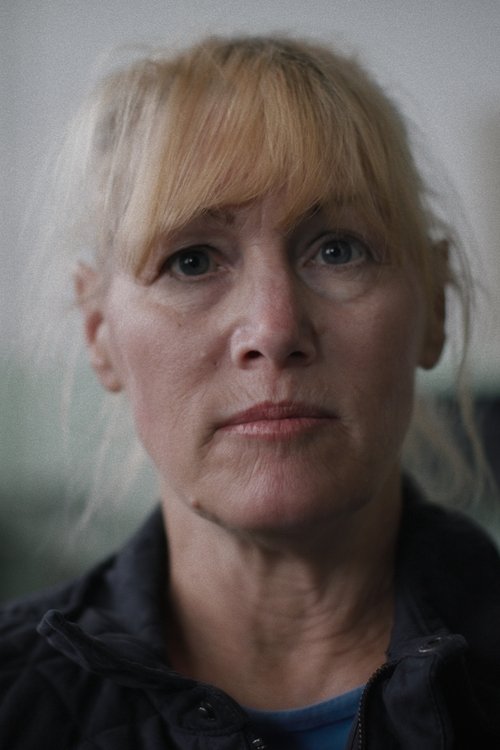
Full actor profile
Sally McNeil
Acting
1 known credits
0.6 popularity score 66 years
Biography
About Sally McNeil
Sally Marie McNeil (born September 30, 1960) is an American former sergeant, professional female bodybuilder and muscle worship practitioner, who was convicted for the murder of her husband Ray McNeil, a Mr. Olympia competitor. McNeil was granted parole in 2020 and now lives a private life.
McNeil settled in Oceanside, California in 1990 with her husband, Ray, and the two children. Both McNeil and Ray had hoped to become professional bodybuilders, however the expenses were too high to maintain for both. McNeil began a career wrestling men on video for $300 an hour, earning her the moniker Killer Sally. She was trained by videomaker Bill Wick, who was the husband of Kay Baxter. She also worked as a female submission wrestler doing private wrestling sessions with men. While the act was inherently sexual for the buyer, McNeil denies ever having sexual relations with them. She did not enjoy the work, but said the money was good enough to outweigh the "dark side." She was making enough money to enable Ray to leave the Marines and concentrate on his own bodybuilding career.
McNeil claimed and maintains that she shot Ray in self-defense when he, spurred by roid rage, began choking her after she accused him of adultery. The police transcript reads that Ray, "slapped her, pushed her down on the floor, and started choking her. McNeil squirmed away, ran into the bedroom, and took her sawed-off shotgun out of its case in the closet." McNeil then shot Ray twice: once in the abdomen and once in the jaw.
The defense argued that McNeil suffered from Battered Woman Syndrome after years of mental and physical abuse by Ray. The defense expert explained that due to her diagonsis, this would have caused McNeil to shoot in self-defense as she genuinely percieved herself to be in imminent danger. McNeil's daughter, Shantina, testified in her mother's defense. Shantina claimed that she could hear Ray choking her mother through the door and she had known those sounds because he had choked McNeil multiple times before.
Evidence arose during Sally's trial that questioned the validity of the story she had given, including her body language during the initial police interview, the trajectory of the rounds fired into Ray (one of which must have been fired while he was on the floor), and the blood spatter on their living room lamp. In addition, no DNA of Sally's was found on Ray, which eliminated any forensic evidence to back up her story. The prosecutors argued that, based on evidence, McNeil had shot Ray in the abdomen, left to the bedroom to reload the gun, and returned to the living room to shoot him in the face.
In 1996, she was convicted of second degree murder and sentenced to 19 years to life.
Photos
Profile gallery
Career at a glance
Sally McNeil across film and television
1credited titles
0movie credits
1TV credits
2022–2022screen career span
Notable work
Recent movies and TV shows
From FMM Reviews
Reviews and guides you may enjoy
TV guide
Squirt (1996): Series Review, Plot, Cast and Episodes
This Squirt (1996) review examines the kids series through its premise, storytelling, cast, performances, themes, production choices and audience response.
Read the full guide Movie guide
Taboo (2024): Cast, Story, Seasons and Episodes
A complete guide to Taboo, including its story, cast, release details, seasons and episodes, ratings, and where to watch or download it.
Read the full guide TV guide
Taboo (2022): Series Review, Plot, Cast and Episodes
This Taboo (2022) review examines the series through its premise, storytelling, cast, performances, themes, production choices and audience response.
Read the full guide